
Type "PRP hair treatment" into any search engine and you'll get whiplash. One tab tells you it's a miracle cure. The next dismisses it as overpriced snake oil. The truth — backed by real clinical research — is more nuanced and far more useful than either extreme.
If you're researching PRP hair treatment for hair loss, you've probably already waded through enough marketing hype and vague health articles to feel more confused than when you started. This guide is different. Written from the perspective of a clinic that actually performs PRP, it's grounded in published research and built to give you the honest, complete picture — including exactly when this treatment works, when it doesn't, and when you might need more than PRP alone.
Platelet-rich plasma (PRP) is a treatment that uses concentrated growth factors from your own blood to stimulate hair follicle activity. It's earned significant attention in the hair restoration world — and for good reason. But it's not right for everyone, and the details matter.
By the time you finish reading, you'll know how PRP works biologically, what the clinical evidence actually says, how much it costs across different countries, how it fits alongside a hair transplant, and — most importantly — whether it's the right choice for your specific situation. Please note that this guide is for informational purposes and should not replace professional medical advice from a qualified specialist.
Understanding PRP hair treatment and how it works
Before evaluating whether PRP deserves a place in your hair restoration plan, it helps to understand what's actually happening beneath the surface of your scalp. The science behind PRP is well-established in medicine — even if its specific application to hair loss is still evolving.
The science behind platelet-rich plasma
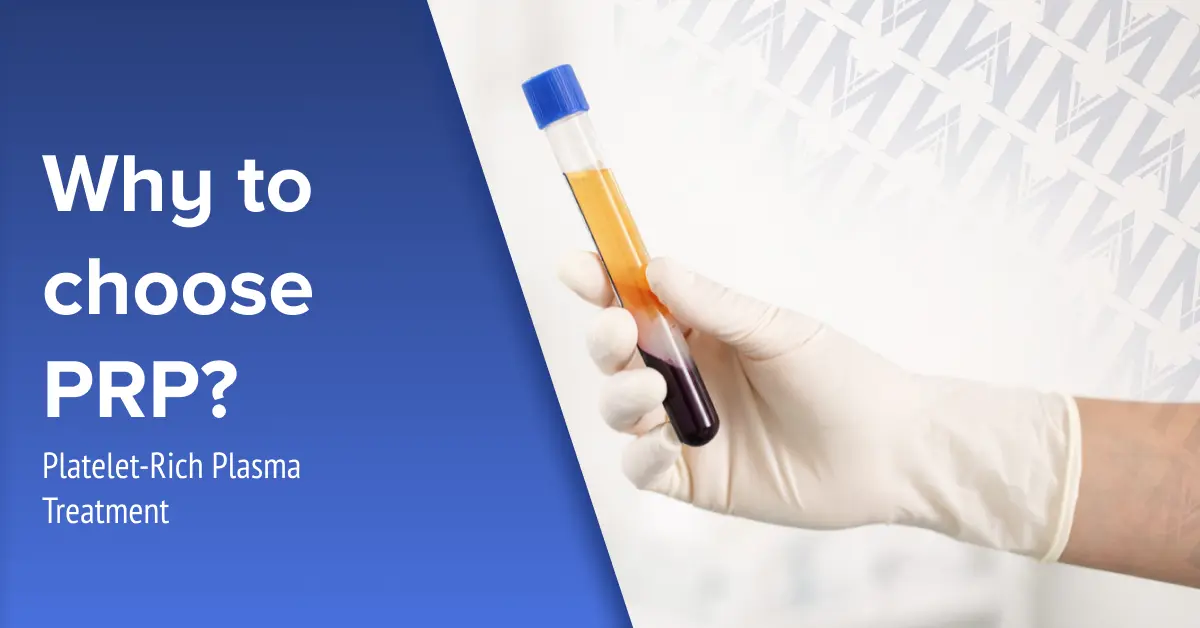
PRP stands for platelet-rich plasma, and the concept is refreshingly straightforward. Your blood is drawn, processed to concentrate the platelets, and then injected into your scalp. Those concentrated platelets contain 3–5 times the normal platelet levels found in regular blood — and they're loaded with powerful growth factors.
Here are the key growth factors at work in platelet rich plasma hair therapy:
- Platelet-derived growth factor (PDGF): Stimulates cell growth and new blood vessel formation around follicles
- Transforming growth factor beta (TGF-β): Regulates tissue repair and helps control hair follicle cycling
- Vascular endothelial growth factor (VEGF): Promotes blood supply to the follicle, delivering more oxygen and nutrients
- Epidermal growth factor (EGF): Supports cell proliferation and tissue regeneration in the scalp
- Fibroblast growth factor (FGF): Encourages new blood vessel development and reinforces follicle structure
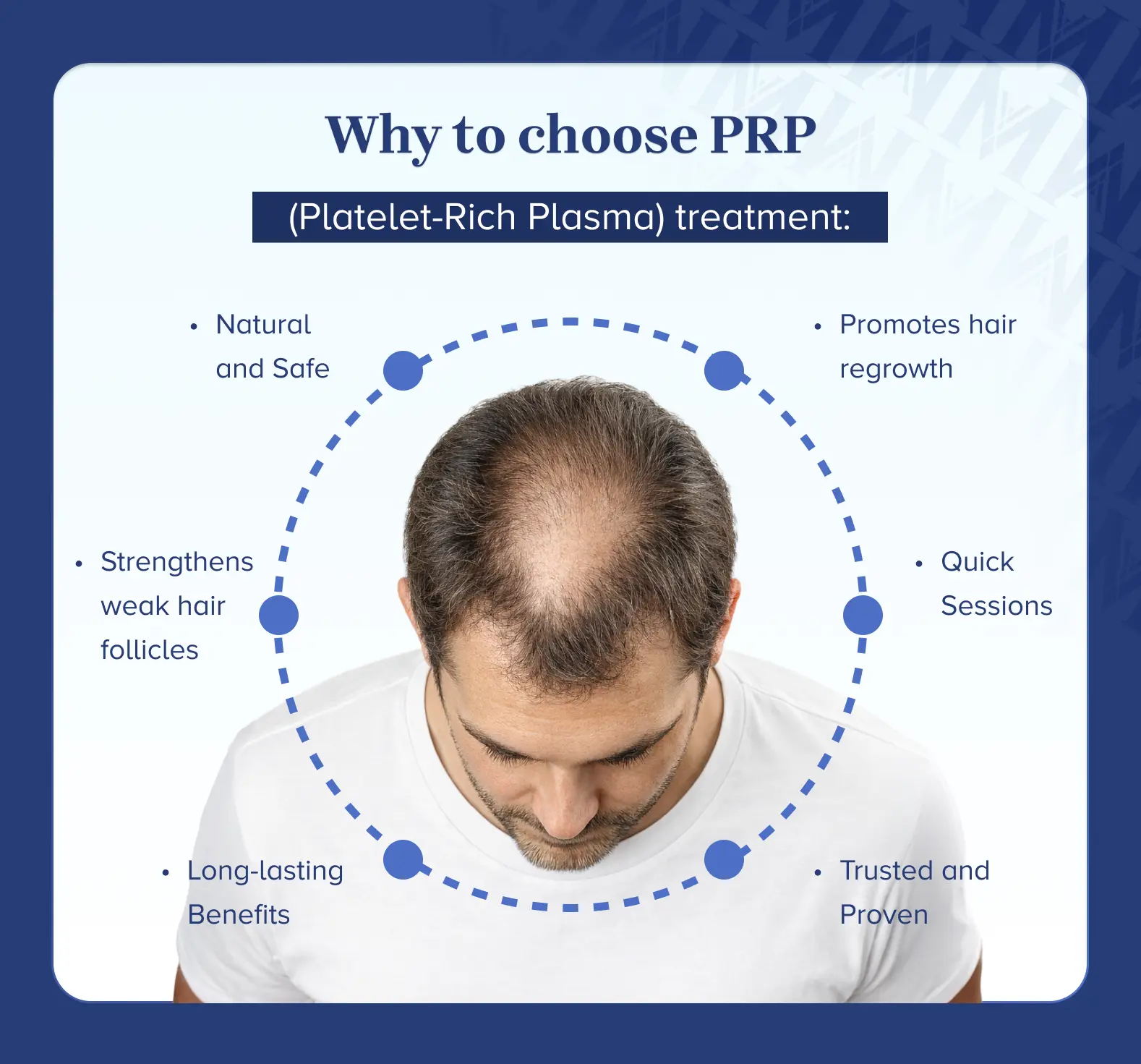
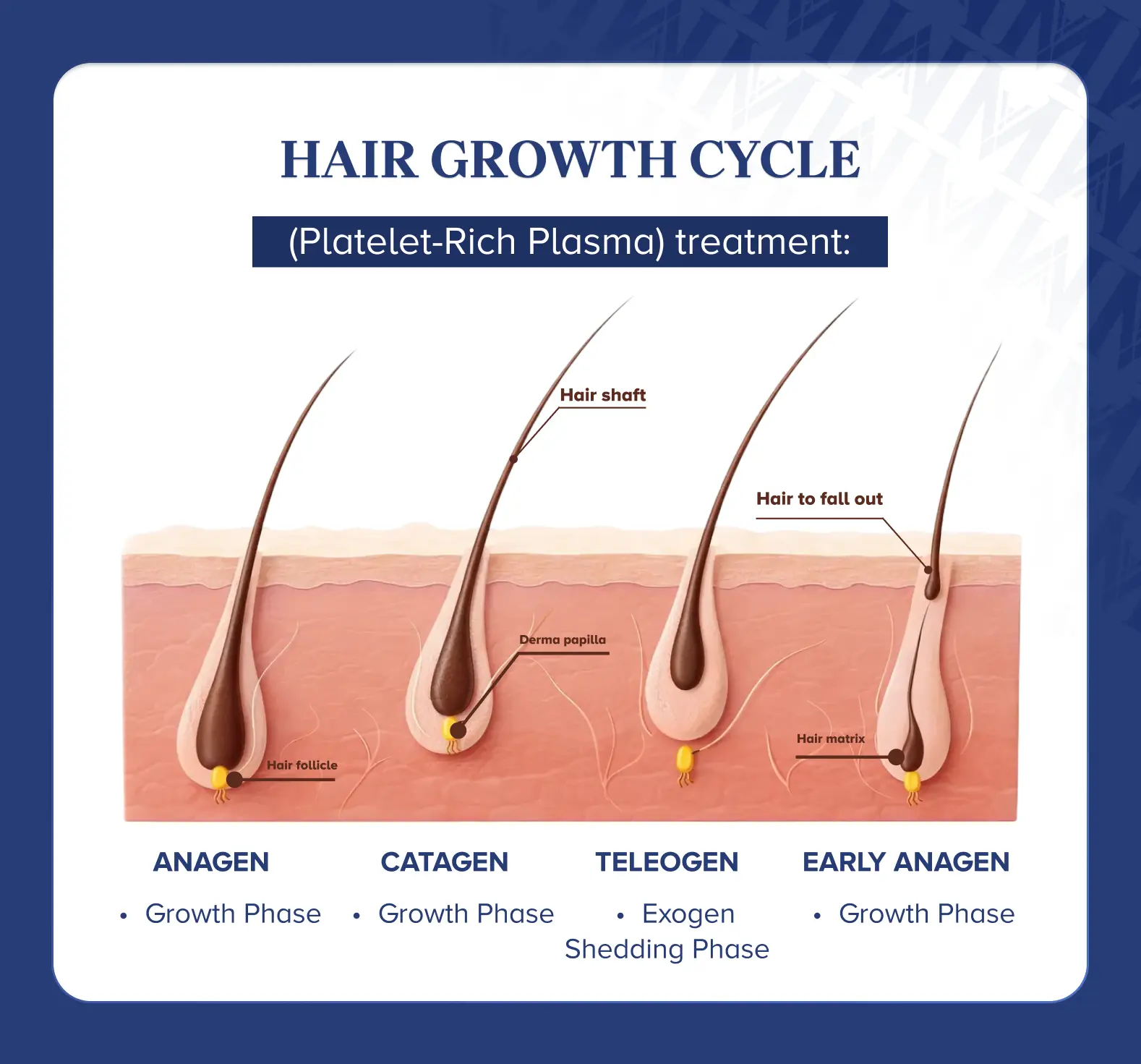
Think of these growth factors as chemical signals that wake up weakened follicles and encourage them to produce thicker, healthier hair. They work together to prolong the anagen phase — the active growth stage of the hair cycle — while increasing blood supply to follicles that have been slowly shrinking.
PRP didn't start in hair restoration. It was originally developed in orthopedic and sports medicine, where doctors used it to accelerate healing in injured tendons, ligaments, and joints. Its success in wound healing led researchers to explore whether those same regenerative properties could revitalize hair follicles — and the results have been promising.
How PRP differs from other hair loss treatments
What sets PRP apart is that it's autologous — it uses your own blood, not a synthetic drug or foreign substance. This is a fundamentally different approach from pharmaceutical treatments like minoxidil or finasteride, which work through chemical or hormonal pathways.
PRP is also non-surgical. Unlike a hair transplant, which physically relocates follicles from one area to another, PRP works at the cellular level to revitalize follicles that are still alive but weakened. It doesn't add new hair — it strengthens what you have. This distinction is critical for setting realistic expectations from the start.
How does the PRP hair treatment procedure work?
Understanding the biology is one thing. Knowing what actually happens when you sit down in the treatment chair is another. Walking through the process step by step removes the uncertainty — and most of the anxiety along with it.
Step-by-step: what happens during a PRP session
Imagine arriving at the clinic for your first session. Here's exactly what you can expect:
- Blood draw: A clinician draws approximately 20–60 ml of blood from your arm — similar to a routine blood test. It takes a few minutes, and most patients find it completely unremarkable.
- Centrifugation: Your blood sample is placed in a centrifuge, a machine that spins at high speed to separate blood components by density. This isolates the platelet-rich plasma from red blood cells and platelet-poor plasma. Some clinics use a single-spin protocol, while others use a double-spin method that typically yields a higher platelet concentration. In clinical practice, the preparation method matters significantly — a higher concentration of platelets means a more potent dose of growth factors, similar to how a stronger fertilizer produces better results in a garden.
- Preparation and activation: The separated PRP is collected and, in some protocols, activated with calcium chloride or thrombin to trigger growth factor release. Activation methods vary between clinics, and this is one reason why not all PRP treatments deliver identical results.
- Injection into the scalp: Using a fine needle, the clinician injects PRP directly into the scalp at the level of the hair follicles. Injections follow a systematic grid pattern across thinning areas. You'll feel a series of small pricks — the scalp is sensitive, but the process is manageable.
- Post-procedure: Once the injections are complete, you're free to leave. There are no incisions, no stitches, and no significant recovery period. Most patients resume normal activities the same day.
The entire process typically takes 45–90 minutes from start to finish, with the actual injection phase lasting around 20–30 minutes.
What does PRP feel like? Managing discomfort
The honest answer: PRP injection for hair loss involves mild to moderate discomfort. The scalp has many nerve endings, and you'll feel the needle with each injection. However, most clinics apply topical anesthesia or perform nerve blocks before beginning, which significantly reduces sensation.
Patients commonly describe the feeling as a series of small pinches or a mild pressure. It's well-tolerated by the vast majority of people, and any discomfort typically subsides within hours of leaving the clinic.
How many sessions are needed?
PRP therapy for hair is not a one-and-done treatment — and this is one of the most common misconceptions. The typical initial protocol involves 3–4 sessions spaced 4–6 weeks apart. This initial course builds a cumulative effect, giving growth factors repeated opportunities to stimulate follicle activity.
After the initial course, most patients need 1–2 maintenance sessions per year to sustain results. Without maintenance, improvements gradually diminish over 12–18 months. Consistency is essential — and it's important to factor ongoing sessions into your decision from the beginning.
Protocols vary between clinics and depend on individual response. A qualified specialist will adjust your treatment plan based on how your hair responds to the initial sessions.
How to prepare for your PRP session
- Avoid blood thinners: Stop aspirin, ibuprofen, and other NSAIDs for 3–5 days before treatment, as they affect platelet function
- Skip alcohol: Avoid alcoholic beverages for at least 48 hours before your session
- Stay well hydrated: Drinking plenty of water makes the blood draw easier and may improve platelet quality
- Plan your aftercare: Don't wash your hair for at least 6–8 hours after treatment to allow PRP to absorb fully into the scalp
These are simple steps, but they can make a meaningful difference in treatment quality. Your clinic should provide a complete preparation checklist before your first appointment.

Does PRP actually work for hair loss? What the research says
You know what happens during a PRP session. Now for the question that actually keeps people up at night: does it work? The evidence is genuinely encouraging — but it comes with important caveats you deserve to hear.
Clinical evidence supporting PRP for hair loss
The body of research supporting PRP for hair loss has grown substantially over the past decade, and the findings are consistent enough to take seriously.
A 2019 meta-analysis published in Dermatologic Surgery analyzed multiple controlled studies and found that PRP treatment resulted in statistically significant improvements in hair density compared to placebo. Patients receiving PRP showed measurable increases in both hair count and hair thickness.
A 2020 systematic review in Aesthetic Plastic Surgery confirmed PRP's efficacy specifically for androgenetic alopecia — the most common form of pattern hair loss affecting both men and women. The review concluded that PRP represents a viable androgenetic alopecia treatment option with a favorable safety profile.
Several randomized controlled trials, including a notable study published in the Journal of Cutaneous and Aesthetic Surgery (2014), have demonstrated increased hair count and thickness in PRP-treated areas versus control sites. According to published research, studies report improvements in hair density ranging from 20–30% after a full treatment course — though individual results vary significantly.
Based on current clinical data, PRP is a clinically supported treatment for hair loss. Not a gimmick. Not a guarantee. Something in between — and something worth understanding clearly.
Limitations and what the evidence doesn't tell us
This is where many PRP articles lose their nerve. The evidence is promising but not yet definitive, and acknowledging its limitations honestly is the only way to help you make a genuinely informed decision.
Lack of standardized protocols is the biggest challenge. Different studies use different centrifuge speeds, platelet concentrations, injection techniques, and session frequencies. This makes direct comparison between studies difficult and means the PRP you receive at one clinic may be meaningfully different from what another provides. Not all PRP treatments are the same — and this variability matters more than most clinics will tell you.
Individual variability is significant. Some patients respond exceptionally well. Others see modest improvement. A smaller number see minimal change. Research indicates that we cannot yet reliably predict who will be a strong responder before treatment begins.
PRP cannot resurrect dead follicles. This is perhaps the most important limitation to understand. PRP can strengthen a weakened, miniaturized follicle — one that has shrunk but still lives. But it can't rebuild one that's completely gone. Much like watering a wilting plant can revive it, watering bare soil won't grow a new one.
Long-term data is limited. Most published studies track results over 6–12 months. Data beyond 2–3 years is sparse, and studies extending 5 or more years are essentially nonexistent. The evidence to date suggests benefits are maintained with ongoing treatment, but more research is needed to confirm the long-term picture.
PRP is not FDA-approved specifically for hair loss. While PRP preparation devices are FDA-cleared for processing blood, the use of PRP for hair restoration is considered an off-label application. This doesn't mean it's unsafe or ineffective — many well-established medical treatments are used off-label — but it's a fact worth knowing.
Who responds best to PRP?
Research and clinical experience point to several factors that influence PRP hair growth outcomes:
- Early-stage hair loss: Patients with Norwood 2–4 hair loss tend to respond best, as more follicles are still active
- Thinning rather than bald areas: Miniaturized but living follicles respond far better than completely smooth areas where follicles have died
- Both men and women: Studies suggest PRP benefits both genders, though most research has focused on male pattern hair loss
- Good overall health: Age, nutritional status, and platelet quality all influence outcomes
- Non-smokers: Smoking impairs platelet function and blood flow, potentially reducing PRP efficacy
For women experiencing diffuse thinning — a common pattern of female hair loss — PRP can be an effective hair thinning treatment without the hormonal side effects associated with some medications. This makes it particularly appealing for women seeking a non-pharmaceutical approach.
Consider a 42-year-old woman noticing progressive thinning across her part line. Her follicles are weakened but still present. For her, PRP could offer meaningful hair density improvement without medication or surgery. Now contrast that with a 55-year-old man with extensive bald areas across the crown — his dormant follicles may have passed the point where PRP alone can help.
PRP for hair transplant patients: a powerful combination
The research paints a promising — if nuanced — picture of PRP as a standalone treatment. But for many readers, the more pressing question isn't whether PRP works in isolation. It's how PRP performs alongside a hair transplant. And this is where the treatment truly earns its place in a comprehensive strategy.
How PRP enhances hair transplant results
PRP and hair transplant surgery address hair loss from completely different angles. Combining them creates a synergy that neither achieves alone.
Before transplant: PRP sessions in the weeks leading up to surgery can strengthen existing native hair and optimize scalp health. A healthier, better-vascularized scalp creates a more favorable environment for new grafts.
During transplant: Some surgeons apply PRP directly to grafts or recipient sites during the procedure. Studies suggest this may improve graft survival rates, with some research reporting up to 15–20% improvement in graft take when PRP is used intra-operatively.
After transplant: Post-surgical PRP accelerates healing, reduces inflammation, and may help reduce shock loss after a hair transplant — the temporary shedding of existing hair that sometimes occurs after surgery. It also supports the growth phase of newly transplanted follicles. In our clinical experience, patients who incorporate PRP into their transplant protocol consistently see faster visible growth and denser final results compared to those who rely on surgery alone.
When to schedule PRP around your transplant
Timing matters. Here's what a typical protocol looks like:
Pre-transplant PRP is ideally performed 2–4 weeks before surgery to prepare the scalp and strengthen existing hair. Post-transplant PRP typically starts 1–3 months after surgery, once the scalp has sufficiently healed. From there, ongoing maintenance of 1–2 sessions per year continues alongside your transplant recovery timeline.
For patients traveling to Turkey for their procedure, the convenience factor is significant. You can often schedule a pre-transplant PRP session as part of your trip, with follow-up sessions arranged during return visits or coordinated with a local provider at home.
Planning a hair transplant in Turkey? Ask the Medart Hair team about including PRP in your treatment package for enhanced results.PRP vs. hair transplant: complement, not replacement
PRP and hair transplants solve different problems. PRP revitalizes existing hair. A transplant adds new hair where follicles no longer exist. They are not interchangeable — they're complementary.
Consider a 35-year-old man with Norwood 3 hair loss who is planning a hair transplant in Turkey. His temples have receded significantly, but his crown is thinning rather than bald. For him, a transplant addresses the temples while PRP strengthens and preserves the thinning crown — a comprehensive strategy that protects his investment from multiple angles.
If you have early thinning, PRP alone may be sufficient. If you have significant bald areas, you likely need a transplant — and PRP can maximize your results. For most patients somewhere in between, the combination delivers the strongest outcomes.
PRP cost: what to expect and is it worth the investment?
You've seen how PRP enhances transplant outcomes. The natural next question is what it costs — and whether the numbers make sense for your situation. Understanding the full financial commitment, not just the per-session price, is essential for an informed decision.
PRP cost breakdown by country
The following table shows approximate per-session cost ranges for PRP hair treatment across major markets:
| Country/Region | Cost per Session (Approximate) |
|---|---|
| United States | $500–$2,500 |
| United Kingdom | £400–£1,500 |
| Europe (average) | €300–€1,200 |
| Turkey | $100–$400 |
Prices vary based on clinic reputation, the PRP preparation method used, geographic location within each country, and whether the treating physician is a board-certified specialist. Premium clinics using advanced double-spin centrifuge systems and physician-administered injections tend to charge more — but the quality difference can be meaningful.
Why PRP costs less in Turkey without compromising quality
PRP hair treatment in Turkey is significantly more affordable than in Western countries, and the reasons are structural — not qualitative. Lower operational expenses, favorable currency exchange rates, and the high volume of medical tourism all create competitive pricing without cutting corners.
Turkish clinics serving international patients invest heavily in modern equipment, staff training, and facility standards. Many use the same FDA-cleared centrifuge systems found in top clinics in New York or London. The cost-effectiveness of getting PRP in Turkey is a genuine advantage, though due diligence in choosing a reputable clinic remains essential.
Total cost of PRP treatment: initial course and maintenance
Per-session prices only tell part of the story. Here's what a realistic first-year investment looks like:
- Initial course (4 sessions at approximately $1,000 each): roughly $4,000
- Annual maintenance (2 sessions): roughly $2,000
- First-year total: approximately $6,000
- Initial course (4 sessions at approximately $250 each): roughly $1,000
- Annual maintenance (2 sessions): roughly $500
- First-year total: approximately $1,500
When bundled with a hair transplant package in Turkey, PRP sessions are often included at a reduced rate or as part of the overall treatment plan. To explore the full cost of a hair transplant alongside PRP, a personalized consultation gives you the clearest picture.
PRP hair treatment cost is almost never covered by health insurance, as it's considered an elective cosmetic procedure. Factor this into your long-term budgeting.
Is PRP worth the financial investment?
The value equation depends on your perspective. Compared to the monthly cost of pharmaceutical treatments over years — minoxidil runs $20–$50 per month indefinitely — PRP's per-session cost is higher, but the treatment frequency is far lower.
The honest assessment: PRP is a recurring expense. Results require maintenance. But for patients who respond well, the improvement in hair density and quality represents genuine value — particularly when the alternative is watching progressive thinning continue unchecked.
The strongest value proposition exists when you combine PRP with a transplant trip to Turkey, where you access high-quality care at a fraction of Western prices for both procedures.
Want a personalized cost estimate for PRP treatment at Medart Hair?
Reach out through our free consultation form to get started. y.
PRP hair treatment side effects and safety profile
With the financial picture clear, let's address the other critical piece of the equation: safety. Any honest discussion of a medical treatment must cover risks — and understanding PRP hair treatment side effects helps you weigh the full picture with confidence.
Common side effects of PRP treatment
Because PRP uses your own blood, the risk of allergic reaction or rejection is essentially zero. However, the injection process itself can cause:
- Mild soreness at injection sites: A dull ache that typically resolves within 24–48 hours
- Temporary redness or swelling: Common in the hours after treatment, subsiding quickly
- Minor bruising: Occasionally occurs at injection points on the scalp
- Headache: Some patients report a mild headache the evening after treatment
These are expected responses to multiple scalp injections and are not cause for concern in most cases.
Serious risks and rare complications
Serious complications from PRP are extremely rare. Infection is extremely uncommon given that PRP is an autologous blood therapy — but it's possible if sterile protocols aren't followed rigorously. Nerve or tissue injury is also rare, primarily a risk when injections are performed by inexperienced practitioners. Scar tissue formation at injection sites occurs only in isolated cases.
The autologous nature of PRP — the fact that it comes from your own body — eliminates the risks of allergic reaction, disease transmission, or immune rejection that exist with other injectable treatments.
Who should not get PRP treatment
Certain individuals should avoid PRP or seek medical clearance before proceeding:
- Blood disorders: Conditions like thrombocytopenia or platelet dysfunction syndrome
- Active scalp infections: Any active skin condition in the treatment area
- Anticoagulant therapy: Blood thinners that significantly affect platelet function
- Active malignancies: Cancer or ongoing oncological treatment
- Heavy smoking: Reduced platelet function that may compromise results
- Pregnancy or breastfeeding: Limited safety data warrants a precautionary approach
If any of these apply to you, consult with a board-certified dermatologist or hair restoration specialist before considering PRP.
PRP vs. other hair loss treatments: a complete comparison
PRP's favorable safety profile is one of its clear strengths — but how does it measure up against other treatments in terms of effectiveness, cost, and daily convenience? Placing PRP in the broader landscape helps you see where it fits in your plan.
The following table provides a high-level comparison of the most common options:
| Treatment | Mechanism | Approximate Cost | Key Advantage |
|---|---|---|---|
| PRP | Growth factor stimulation | $100–$2,500/session | Non-surgical, uses your own blood |
| Minoxidil | Increased scalp blood flow | $20–$50/month | Affordable, widely available |
| Finasteride | DHT hormone blocker | $30–$75/month | Strong evidence for pattern loss |
| Mesotherapy | Vitamin/medication injections | $200–$600/session | Customizable cocktail formulas |
| LLLT | Light-based cell stimulation | $200–$1,000 (device) | Completely non-invasive |
Each approach has distinct strengths, and in many cases, combining treatments yields the best results.
PRP vs. minoxidil (Rogaine)
Minoxidil is a topical medication that works by widening blood vessels in the scalp, increasing blood flow to follicles. It's applied daily — usually twice — and must be continued indefinitely to maintain results.
PRP works through a different mechanism: delivering concentrated growth factors directly to follicles. While minoxidil requires daily commitment, PRP involves periodic sessions. Studies suggest both treatments improve hair density, though through different pathways.
Cost-wise, minoxidil is far less expensive per month but requires daily lifelong use. PRP has higher per-session costs but lower frequency. Research indicates that PRP and minoxidil can be used together for enhanced results — their mechanisms are complementary rather than redundant.
PRP vs. finasteride (Propecia)
Finasteride is an oral medication that works hormonally, blocking the conversion of testosterone to DHT — the hormone primarily responsible for androgenetic alopecia. It's effective, but it carries a side effect profile that concerns many patients, including potential sexual side effects.
PRP, by contrast, has no systemic hormonal effects. For patients who want to avoid pharmaceutical intervention — or who experience side effects from finasteride — PRP offers a regenerative alternative. At approximately $30–$75 per month, finasteride is more affordable on a per-month basis, but it requires daily lifelong use.
Studies suggest both treatments are effective for pattern hair loss, and they can be used in combination. Many patients exploring post-transplant medication protocols find that PRP offers a valuable non-pharmaceutical complement to their overall plan.
PRP vs. mesotherapy for hair loss
Mesotherapy for hair loss involves injecting a cocktail of vitamins, minerals, amino acids, and sometimes medications directly into the scalp. The delivery method is similar to PRP — scalp injections — but the substance being injected is fundamentally different.
PRP uses your own concentrated platelets and growth factors. Mesotherapy uses externally sourced compounds. The evidence base for PRP is currently stronger, with more published clinical trials and meta-analyses. Mesotherapy sessions typically cost $200–$600, placing it in a similar range to PRP in many markets.
Mesotherapy has its proponents and may be preferred in certain cases. Some clinics offer both and can recommend the better option based on your individual assessment.
PRP vs. low-level laser therapy (LLLT)
LLLT uses specific wavelengths of light to stimulate cellular activity in hair follicles. It's completely non-invasive — no needles, no blood draw — and is available as in-clinic treatments or at-home devices.
At-home LLLT devices range from $200–$1,000 as a one-time purchase, while in-clinic sessions typically cost $25–$100 each. The evidence base for LLLT, while growing, is generally considered less robust than PRP's. However, LLLT and PRP target follicle stimulation through different pathways, making them potentially complementary.
Combination approaches: the most effective strategy
For many patients, the most effective approach to non-surgical hair restoration isn't choosing one treatment — it's combining several. A comprehensive protocol might include PRP sessions for direct follicle stimulation, minoxidil for daily vascular support, and finasteride (for appropriate candidates) for hormonal protection.
For patients undergoing a hair transplant, adding PRP to this strategy addresses both the transplanted and native hair — creating a complete plan that protects your investment from every angle.
Getting PRP in Turkey: what you need to know
If you're already researching hair restoration in Turkey — or even if you weren't until now — the Turkish PRP landscape deserves serious attention. The combination of clinical expertise, modern infrastructure, and competitive pricing creates a compelling case.
Why Turkey is a leading destination for PRP
Turkey has established itself as a global hub for hair restoration, driven by a mature medical tourism infrastructure, highly experienced practitioners, and cost-effective pricing that makes comprehensive treatment accessible. Turkish clinics offer scalp rejuvenation services including PRP alongside world-class transplant procedures.
The same factors that make Turkey a top destination for hair transplants apply to PRP: modern facilities, competitive pricing, and deep clinical expertise. Turkish clinicians often see more hair loss patients in a single month than many Western practitioners see in an entire year. That volume translates directly into refined technique and clinical confidence.
What to look for in a Turkish clinic offering PRP
Not all clinics are equal, and choosing wisely matters. Here's what to evaluate:
- Medical supervision: Ensure a board-certified dermatologist or surgeon performs or directly supervises your treatment
- Equipment quality: Ask about the centrifuge system — FDA-cleared systems with documented platelet concentration outputs are the standard
- Transparent pricing: All costs should be clearly communicated upfront with no hidden fees
- Clinic accreditation: Look for JCI accreditation or Turkish Ministry of Health certification
- Documentation: Reputable clinics maintain before-and-after photo records of their PRP patients
- Realistic communication: Be cautious of any clinic making unrealistic promises about guaranteed results
Red flags include clinics with no visible medical team, prices that undercut the market significantly, and aggressive marketing with guaranteed outcome language.
Combining PRP with a hair transplant trip to Turkey
For patients traveling to Turkey for a hair transplant, adding PRP is logistically seamless. Many clinics include PRP sessions within their transplant packages, and the scheduling typically works well within a single trip.
A pre-transplant PRP session can be performed the day before or the morning of your surgery. Post-transplant PRP sessions can be arranged during follow-up visits to Turkey or coordinated with a local provider in your home country using the protocol established by your Turkish clinic.
The convenience of addressing both treatments in a single trip — combined with substantial cost savings — makes Turkey an exceptionally practical choice for comprehensive hair restoration.
PRP results: realistic timeline and what to expect
Whether you choose PRP alone or combine it with other treatments, knowing what to expect — and when to expect it — helps you evaluate your progress fairly. PRP works with your body's natural hair growth cycle. That means patience isn't optional. It's part of the treatment.
Month-by-month PRP results timeline
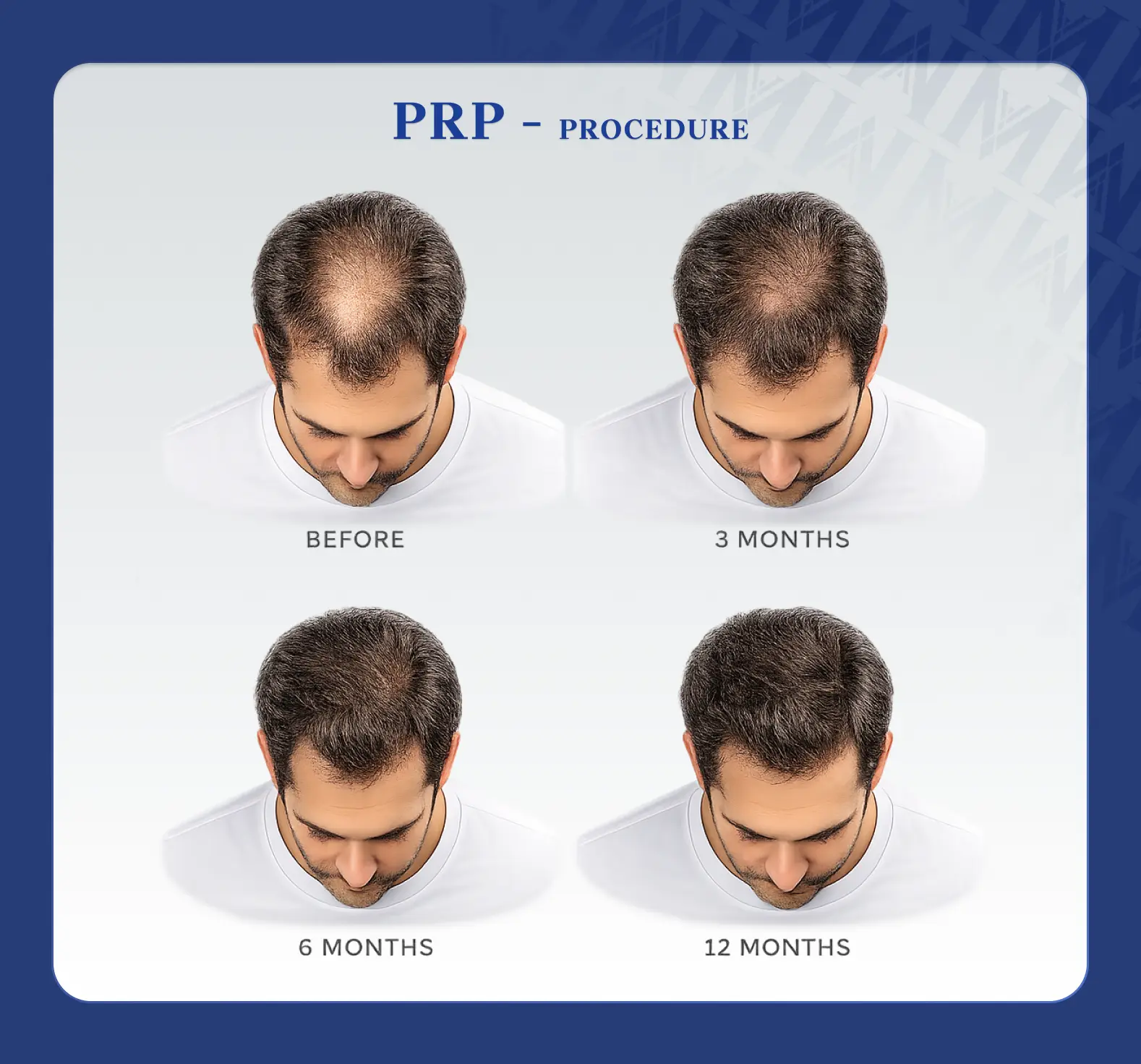
- Months 1–2: Minimal visible change. Some patients notice reduced shedding — fewer hairs on the pillow or in the shower drain. Growth factors are working at the cellular level, but visible results haven't surfaced yet.
- Months 3–4: Early signs of improvement typically emerge. Finer hairs may appear in thinning areas, and existing hair may feel slightly thicker. This is when many patients first feel encouraged.
- Months 6–9: The most noticeable results become apparent — increased density, improved hair quality, and a visible difference in thinning areas. PRP hair treatment results are most commonly documented in clinical studies during this window.
- Month 12: Full results from the initial treatment course are typically visible. This is the appropriate point to assess whether PRP has been effective for your individual case.
Keeping a photo diary — same lighting, same angle, same time of day — gives you the most objective way to track your progress rather than relying on the mirror alone.
Realistic before-and-after expectations
Here's what "success" with PRP actually looks like: thicker existing hair, slowed progression of thinning, and a modest but measurable increase in hair density. PRP hair before and after results are real — but they're not dramatic in the way a transplant can be.
What PRP will not do: regrow hair on completely bald, smooth areas where follicles have permanently died, or produce transplant-level density changes. While individual results vary, understanding these boundaries upfront prevents frustration and helps you evaluate your progress fairly.
How long do PRP results last?
Results are not permanent without maintenance. This is a critical point that many clinics underemphasize. The improvements gained from PRP gradually diminish over 12–18 months if maintenance sessions aren't continued.
Typical maintenance involves 1–2 sessions per year. Think of it as ongoing support for your follicles rather than a one-time fix. For many patients, this long-term commitment is worthwhile — but it should factor into your decision from day one.
Is PRP right for you? A decision framework
You now have the full picture: the science, the evidence, the costs, the timeline, and the limitations. The final step is the most personal one — determining whether PRP aligns with your specific situation and goals.
PRP may be right for you if…
- You have early to moderate hair thinning with follicles that are miniaturized but still present
- You want a non-surgical option or you're not yet ready for a transplant
- You're planning a hair transplant and want to maximize graft survival, healing, and overall results
- You prefer a natural, autologous approach that uses your own blood rather than synthetic medications
- You're willing to commit to maintenance sessions and understand this is an ongoing investment
- You're in good overall health without blood disorders or contraindicated conditions
PRP may not be right for you if…
- You have extensive bald areas with no remaining active follicles — PRP cannot create hair where none exists
- You expect dramatic, transplant-level results from PRP alone — expectations need to be calibrated realistically
- You have a blood disorder or are on anticoagulant therapy that affects platelet function
- You're unwilling to invest in ongoing maintenance — without it, results fade
- You're looking for a one-time permanent fix — PRP requires long-term commitment
- You smoke heavily and are not willing to reduce or quit, as smoking impairs platelet quality
Questions to ask your clinic before starting PRP
Before committing to PRP at any clinic, arm yourself with these questions:
- What PRP preparation system do you use? Look for FDA-cleared centrifuge systems with documented performance.
- What platelet concentration does your protocol achieve? Higher concentrations generally correlate with better outcomes.
- How many sessions do you recommend for my specific hair loss stage? Beware of one-size-fits-all answers.
- Do you offer PRP as part of a hair transplant package? This can offer significant cost and logistical advantages.
- Can I see before-and-after photos of your PRP patients? Documented results are a strong indicator of clinical quality.
- Who performs the injections? Ensure a qualified medical professional — not an untrained technician — administers your treatment.
A consultation with a qualified hair restoration specialist can help determine whether you're a strong candidate based on your specific hair loss pattern and health history. These questions apply whether you're evaluating a clinic in your home country or in Turkey — and a reputable clinic will answer them transparently.
Frequently asked questions about PRP hair treatment
These are the questions patients ask most often. If yours isn't answered here, a personalized consultation can address it directly.
The honest verdict: is PRP hair treatment worth it?
PRP hair treatment is a legitimate, evidence-backed option that delivers meaningful results for the right candidate. It won't perform miracles. It won't replace a hair transplant when significant bald areas are present. But for patients with early to moderate thinning — and especially for those combining it with a transplant — it's a clinically supported tool that can make a real, measurable difference.
The strongest case for PRP exists within a comprehensive hair restoration strategy. Paired with a hair transplant, it enhances graft survival, supports healing, and protects your native hair from further thinning. Used on its own for early-stage hair loss, it can slow progression and improve density without surgery or systemic medication.
Getting PRP in Turkey offers a compelling advantage: experienced practitioners and quality care at a fraction of Western prices, with the convenience of combining it with a transplant trip. For patients already considering Turkey for hair restoration, adding PRP is a decision that deserves serious consideration.
The evidence is promising. The limitations are real. And the decision is deeply personal. What matters most is that you make it informed — with a clear understanding of what PRP can do, what it can't, and how it fits into your goals.
