

Hair Transplant After 50: Candidacy, Results & Risks

A hair transplant after 50 can be safe and effective, and there is no universal upper age limit. Candidacy depends more on the cause of hair loss, donor-hair quality, overall health, medications, and realistic expectations. Older patients often benefit from conservative hairline design and careful planning for limited donor supply.
Hair Transplant After 50: Candidacy, Results & Risks

Table of Contents

Dr. Busra Yakupoglu

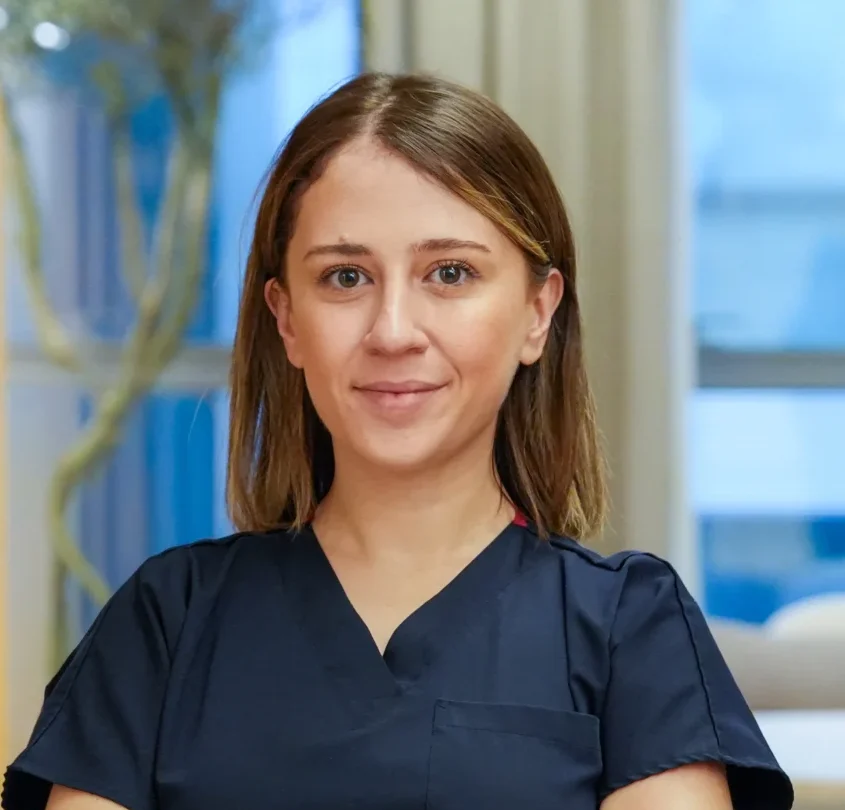
Reviewed by Dr. Busra Yakupoglu, Hair Transplant Surgeon, Medart Hair Transplant, Istanbul

Get a Free Consultation

Talk to an experienced patient coordinator for your hair transplant in Turkey.
Please enter a valid phone number.

The number on your birth certificate is rarely the first thing a responsible hair-transplant surgeon evaluates. After 50, donor quality, medical fitness, an accurate diagnosis, and realistic design matter far more than age alone. A patient in their sixties with stable loss and a strong donor area can sometimes be a better candidate than someone in their twenties whose hair loss is still moving fast. This article gives you a clear decision framework rather than a blanket reassurance, so you can judge your own situation before you book a consultation.

Key Takeaways

  • - No fixed age limit: No professional guidance reviewed for this article sets a maximum age for a hair transplant.

  • - Health over age: Diagnosis, donor quality, and medical fitness matter more than chronological age.

  • - Conservative goals help: Donor density and hair caliber can decline with age, so some patients need more conservative coverage goals.

  • - No automatic winner: FUE is not inherently better than FUT.

  • - Medication safety: Never stop prescribed medicines without your prescriber's approval.

  • - Exam required: A final decision needs an in-person scalp examination and medical review.

A hair transplant after 50 can be successful when the patient is medically suitable, has a stable donor supply, and chooses a realistic, age-appropriate restoration plan. Everything below builds on those four pillars.

If you have quietly worried that you left this too late, or that a transplant at your age will look obvious or waste the hair you have left, you are not alone. Those are exactly the concerns a good assessment is built to answer. This guide walks through each one honestly.

Man in his fifties examining frontal hair thinning in a mirror.

Are You Too Old for a Hair Transplant?

There is no universal maximum age for a hair transplant; candidacy depends more on health, diagnosis, donor hair, and expectations than on age alone. Chronological age is only one data point. What truly decides suitability is whether your scalp, general health, and goals line up.

Some patients in their fifties, sixties, and beyond are strong candidates. Others are unsuitable at any age when the donor area is weak or the diagnosis is unclear. So the honest answer to "am I too old for a hair transplant" is that a birth year is the wrong measure. Suitability rests on a proper assessment.

No fixed upper age limit

`Professional guidance:` No major professional guidance identified for this article sets a hard age cutoff for hair restoration surgery. The International Society of Hair Restoration Surgery (ISHRS) frames patient selection around hair-loss pattern, donor supply, and realistic goals, not a candle count. The relevant question is medical fitness, sometimes called biological fitness.

Age still matters, though. It changes donor density, hair caliber, healing considerations, and design choices. It simply does not set an automatic "hair transplant age limit" that closes the door.

Why a stable pattern can help surgical planning

`Peer-reviewed evidence:` By later adulthood, the overall pattern of androgenetic alopecia may be easier to recognize than in early-onset, rapidly progressing loss. That does not mean further thinning has stopped. In male-pattern hair loss, younger men may still be losing ground quickly, which complicates hairline design.

The clinician must still assess current activity and long-term risk. Hair-loss stability, where it exists, is a genuine planning advantage rather than a downside of age.

What Changes About Hair Transplant Planning After 50?

After 50, planning must account for possible donor thinning, reduced hair caliber, facial aging, and continued loss of native hair. Age does not doom a result, but it changes the calculations behind it. A good surgeon adjusts the plan to your scalp as it is today.

Donor supply is only part of the story. The next layer is how age-related changes in hair, scalp, and facial proportions shape a natural-looking design.

Changes in donor hair and scalp

Several age-related factors affect what a surgeon can safely do:

  • Donor density may fall, meaning fewer follicles per square centimeter to harvest.

  • Donor-hair miniaturization means gradual thinning of hairs in the area expected to supply grafts. It can appear inside the presumed "safe" donor zone.

  • Hair caliber, the thickness of each strand, may decrease, so each graft covers less.

  • Scalp laxity and prior scarring can influence which technique is feasible.

  • Senescent alopecia, or age-related thinning, can affect areas once considered stable.

`Peer-reviewed evidence:` Reviews of aging hair describe reduced follicular density and thinner shaft diameter over time, though the degree varies widely between individuals. This is why a surgeon assesses the donor area directly rather than trusting a photo estimate.

Surgeon assessing donor density during a hair transplant after 50 consultation.

Why gray hair may sometimes improve the illusion of coverage

`Clinical experience:` Hair color itself does not usually determine follicle suitability. When hair-to-scalp color contrast is low, as with gray or white hair, the scalp shows through less, so the same number of grafts can look fuller. Hair curl adds to this, because curved strands cover more surface, and thicker caliber increases apparent fullness. White hair can, however, be harder to see during surgery.

Designing a mature, natural-looking hairline

`Clinical experience:` A hairline should suit the face it frames. A very low or dense hairline can become less harmonious as facial proportions continue to change. A slightly higher, softer conservative hairline design with irregular, natural-looking edges usually supports longer-term aesthetic balance. This planning is where clinical judgment counts most.

The Over-50 Hair Transplant Candidacy Checklist

A strong candidate over 50 has a confirmed diagnosis, a stable donor area, acceptable medical risk, and goals that match the available graft supply. These four ideas sit at the center of every responsible assessment, and design follows only after they are satisfied.

Age-related changes only matter once you place them inside a structured decision. Before any surgery, that decision rests on a five-domain framework:

  • 1. Correct hair-loss diagnosis — confirming the type and cause of loss.

  • 2. Donor-hair quality and total graft supply — how much you can safely give.

  • 3. Medical fitness and medication review — whether surgery is safe for you.

  • 4. Age-appropriate hairline design and density expectations — what looks right long term.

  • 5. Long-term follow-up, especially for international patients — who cares for you afterward.

Hair-loss diagnosis

`Professional guidance:` The American Academy of Dermatology (AAD) stresses confirming a diagnosis before treatment. Most men have androgenetic alopecia (male-pattern hair loss), graded on the Norwood-Hamilton scale. But scarring alopecia, alopecia areata, and telogen effluvium can mimic or complicate the picture.

Warning: Active, unexplained, patchy, painful, inflamed, itchy, scaling, or rapidly progressing hair loss should be assessed before surgery is planned. Suspected alopecia areata, scarring alopecia, or diffuse unpatterned alopecia warrants dermatology assessment first.

Dermoscopy, also called trichoscopy, is a magnified scalp examination used to check thickness and miniaturization. A scalp examination and a consultation with a qualified hair-transplant surgeon should precede any commitment.

Donor-area assessment

Think of your donor hair as a limited reserve that must cover both today's needs and any future thinning. A direct examination measures donor density, hair caliber, and miniaturization. A follicular unit graft contains one naturally occurring follicular unit, placed into the recipient area, the scalp region being restored.

A graft estimate from photos alone is unreliable, especially after 50. The reserve is finite, so it must be planned across a lifetime, not spent in one session.

Health and healing assessment

`Peer-reviewed evidence:` General health status, rather than age by itself, is closely linked to postoperative healing. Smoking, diabetes, cardiovascular disease, and a poor wound-healing history all deserve review. Well-controlled conditions do not automatically rule out surgery.

Expectations and available graft supply

The desired coverage must match the donor supply. When they clash, the plan must adapt to the biology.

Anonymized clinical example, used with consent. A man in his early 50s presented with stable frontal and mid-scalp thinning, dense donor hair, and well-controlled blood pressure. His goal was modest frontal framing. Because diagnosis, donor reserve, and expectations aligned, he was a strong surgical candidate. Decision principle: donor stability and realistic coverage goals matter more than chronological age.

Here is a simplified version of how a surgeon classifies candidacy.

Over-50 Hair Transplant Candidacy Matrix

Assessment area

Strong candidate

Needs further evaluation

May not be suitable now

Pattern and stability of hair loss

Stable, patterned loss

Recent change in shedding

Rapidly progressing or unclear

Donor density and miniaturization

Dense, minimal miniaturization

Patchy density

Widespread donor miniaturization

Scalp condition

Healthy, no inflammation

Mild scalp issues to treat first

Active scarring or inflammatory disease

Medical history

Well-controlled or none

Chronic condition needing clearance

Uncontrolled major illness

Medication considerations

No high-risk medicines

Anticoagulants or antiplatelets needing coordination

Unmanaged bleeding risk

Desired coverage

Realistic, prioritized

Ambitious but adjustable

Full scalp density demanded

Realistic density expectations

Accepts coverage-over-density

Needs counseling

Expects youthful density

FUE, FUT, or no surgery

Suited to FUE or FUT

Staged plan discussion

Surgery deferred or not advised pending diagnosis, donor reassessment, or non-surgical planning

Rows on diagnosis, donor assessment, and medical risk reflect published patient-selection literature; coverage and technique rows reflect general clinical workflow.

Unsure how your donor area, health history, or degree of hair loss affects candidacy? Tap the WhatsApp button in the bottom-right corner to request a free preliminary assessment from Medart Hair Transplant. A remote review is an initial step and does not replace an in-person medical examination.

What Results Can You Realistically Expect?

A transplant can improve framing and coverage, but it cannot recreate the density of a full youthful scalp when donor hair is limited. This honest starting point protects you from disappointment. Managing expectations is not pessimism; it is good surgery.

Candidacy decides who can proceed. Results explain what proceeding actually delivers, and on what timeline.

Coverage versus density

Coverage = the scalp area that receives transplanted hair.

Density = the number and visual concentration of hairs within that area.

A transplant redistributes existing follicles; it does not create new hair. Spreading limited grafts over a larger area increases coverage but lowers density. Concentrating them raises density over a smaller zone.

Hairline and crown priorities

`Clinical experience:` With limited donor reserve, surgeons often prioritize the frontal hairline and mid-scalp over the crown, also called the vertex. The frontal zone frames the face, so restoring it often has the greatest effect on how the whole face reads. Chasing dense crown coverage can drain the reserve for a smaller visual return.

Hypothetical example reviewed by Dr. Busra Yakupoglu, Hair Transplant Surgeon. A man in his mid-60s with advanced loss on the Norwood-Hamilton scale and significant donor miniaturization requested full, youthful density across his entire scalp. His donor supply could not support that goal safely. Decision principle: when donor reserve is limited and expectations are youthful density, surgery may be declined or scaled back.

Typical growth and recovery timeline

`Peer-reviewed evidence:` Transplanted hair follows a gradual course, and untreated native hair may keep thinning around it because the two can follow different long-term paths.

  • 1. Immediate postoperative period (days 0–7): tiny crusts and mild redness at graft sites.

  • 2. Early shedding (weeks 2–8): shedding of transplanted hair shafts is common. Temporary shock loss of nearby native hair can occur but is not universal.

  • 3. Early regrowth (months 3–4): fine new hairs begin to emerge.

  • 4. Visible improvement (months 6–9): thickening and clearer coverage.

  • 5. Maturation (roughly 12–18 months): texture and density continue settling, with timing varying by area and individual healing.

No clinic should guarantee exact density, graft survival, or a final appearance. Individual variation is real, and survival rates depend on technique, handling, and healing.

Hair growth stages from early shedding through twelve-to-eighteen-month maturation.

FUE vs. FUT After 50

FUE and FUT can both work after 50, and the better option depends on donor management, scarring preferences, scalp laxity, and graft needs. Neither method is automatically superior. Both techniques create scars; claims that either method leaves no scar are inaccurate.

Realistic results depend partly on technique. The right choice conserves your donor reserve while meeting your coverage goals.

Follicular Unit Extraction / Excision (FUE) removes individual follicular units and leaves many tiny, scattered scars. Follicular Unit Transplantation (FUT) removes a donor strip and leaves one linear scar. `Professional guidance:` The ISHRS treats both as legitimate techniques, chosen case by case.

FUE vs. FUT Comparison

Technique

How grafts are obtained

Scarring pattern

Donor-management considerations

Recovery considerations

When it may be considered after 50

FUE

Individual follicular units extracted directly

Many small dot scars

Extraction spread across a wider area; can overharvest a weak donor if poorly planned

No linear incision; numerous extraction sites still require postoperative care

Shorter hairstyles; moderate graft needs; adequate donor density

FUT

A donor strip removed, then dissected into grafts

One linear scar

Removal concentrated within a defined zone; may suit selected higher-graft cases

Linear wound needs suture care

Good scalp laxity; higher graft needs; hair long enough to hide the line

Technique selection depends on individual scalp laxity, donor quality, hairstyle, and graft goals. Both leave scars.

`Clinical experience:` For an older patient with a borderline donor area, aggressive FUE can permanently thin the donor zone. In selected patients, strip harvesting may concentrate removal within a defined area, while FUE distributes extraction more widely. Lifetime donor efficiency depends on scalp characteristics, scar preferences, extraction pattern, and future planning. Some patients benefit from a staged or combined strategy decided after examination. If you are weighing FUE after 50 against a strip procedure, ask specifically how each affects your future donor supply.

Health Conditions, Medications, and Additional Risks

Controlled health conditions do not automatically prevent surgery, but every medication and relevant diagnosis must be reviewed before the procedure. Honesty at consultation keeps you safe.

Technique matters, but so does whether your body is ready for surgery at all. That is where a careful medical history earns its place.

Conditions that need additional assessment

`Peer-reviewed evidence:` Hair transplantation is commonly performed using local anesthesia, but anesthesia history, cardiovascular status, medicines, and procedure duration require individualized review. Cardiovascular disease, diabetes, bleeding disorders, immune conditions, and a poor wound-healing history may require extra clearance. Smoking can impair healing and should be discussed frankly. None of these is automatically disqualifying when well managed, but each changes the risk conversation.

Medicines and supplements to disclose

A complete medication review is essential. Bring everything, prescribed or not.

  • ● Cardiovascular disease

  • ● Diabetes

  • ● Bleeding disorders

  • ● Immune conditions

  • ● Previous anesthesia or local-anesthetic reactions

  • ● Anticoagulants

  • ● Antiplatelet medicines

  • ● Blood pressure medicines

  • ● Diabetes medicines

  • ● Immunosuppressive medicines

  • ● Multiple cardiovascular medicines

  • ● Finasteride, dutasteride, or minoxidil (topical or oral), if used

  • ● Supplements and herbal products

  • ● Smoking and nicotine use

  • ● Allergies

Warning: Never stop or change prescribed anticoagulants, antiplatelet medicines, blood pressure medicines, diabetes medicines, or other long-term medication without approval from the clinician who prescribed it.

`Professional guidance:` The NHS notes that anticoagulant and antiplatelet medicines increase bleeding risk during and after procedures. Any adjustment must be coordinated between your surgeon and your prescriber, never done alone. The FDA prescribing information for finasteride and minoxidil should also be reviewed if you take either.

Risks and warning signs

`Peer-reviewed evidence:` Recognized risks of hair-transplant surgery include bleeding, infection, scarring, numbness, folliculitis, shock loss, poor growth, and an unnatural result. Active scalp infection or inflammatory scalp disease should be treated or evaluated before surgery.

Warning: Contact your treating team promptly and follow its emergency instructions for significant bleeding, fever, increasing redness, severe pain, or pus. Chest pain or breathing difficulty requires emergency medical assessment under local emergency instructions; do not wait for routine clinic follow-up.

Emergency planning and clinician-led follow-up care matter especially if you travel for treatment.

Warning signs after hair transplant that require prompt medical attention.

Special Considerations for Women Over 50

Women over 50 may be candidates when the donor area is preserved and the cause of thinning has been correctly diagnosed. Female cases need a more cautious workup, because women's hair loss is often diffuse. A transplant into an undiagnosed diffuse pattern can produce limited cosmetic benefit while using a finite donor reserve.

Men and women share biology but differ in pattern. That difference reshapes both the diagnosis and the plan.

Menopause and diffuse thinning

`Peer-reviewed evidence:` Female-pattern hair loss is graded on the Ludwig scale or the Sinclair scale and often shows diffuse thinning over the top of the scalp. Menopause can coincide with reduced density, but it should not be assumed to be the only cause. Diffuse thinning may also affect the donor zone, which can make a woman a weaker surgical candidate than a man with patterned loss.

Design goals differ too. Lowering a high frontal hairline is a different task from restoring density across a diffusely thinning top, and the two need separate planning and expectations.

When testing or dermatology referral may be needed

`Professional guidance:` The AAD advises investigating female hair loss before treatment. Thyroid disease, iron deficiency, medication effects, telogen effluvium, and scarring alopecia may need evaluation, guided by history and examination. Diffuse unpatterned alopecia, an unstable pattern of loss affecting the whole scalp including the donor zone, can make surgery inadvisable.

Women Over 50: Surgery may help / Investigate first

Situation

Surgery may help

Investigate first

Loss pattern

Stable, localized, preserved donor

Recent, diffuse, or spreading shedding

Diagnosis

Confirmed female-pattern loss

Unexplained or active shedding

Donor zone

Dense and stable

Visibly thinning donor area

Medical workup

Relevant evaluation completed; loss is stable

Symptoms or history suggest thyroid, iron, medication, inflammatory, or shedding-related causes

Workup should be guided by clinician judgment, not a fixed test list.

Anonymized clinical example, used with consent. A postmenopausal woman presented with recent, diffuse shedding and no confirmed diagnosis. She was referred for thyroid and iron testing and a dermatology review before any surgical discussion. Decision principle: diffuse or recent shedding needs a diagnosis before surgical planning.

How to Prepare for a Consultation

A responsible consultation should evaluate diagnosis, donor miniaturization, medical risk, achievable coverage, and who performs each surgical step. Walking in prepared changes the quality of advice you receive.

Diagnosis and expectations come together at the consultation, so a little preparation pays off. Bring your history, your photos, and your questions.

Bring a complete medical and medication history. Note when your hair loss began and whether it is still changing. These questions help you distinguish a medically led assessment from a graft-count estimate based mainly on photographs.

Important: A photograph review can identify broad concerns, but it cannot replace an in-person scalp examination and medical assessment before final surgical approval.

10 Questions to Ask Your Hair-Transplant Clinic

  • 1. What is my exact diagnosis, and how was it confirmed?

  • 2. What is my donor density, measured directly?

  • 3. Is there donor miniaturization in my safe zone?

  • 4. Who designs the hairline, and are they medically qualified?

  • 5. Who extracts the grafts?

  • 6. Who creates the recipient sites?

  • 7. Who supervises the procedure throughout?

  • 8. What realistic result can I expect from a single procedure?

  • 9. How does the plan preserve donor hair for future needs?

  • 10. How are complications managed, and what is the follow-up plan?

`Professional guidance:` The ISHRS advises patients to confirm that a qualified surgeon, not an unlicensed technician, performs and supervises the surgical steps.

If you would like help preparing for a consultation, tap the WhatsApp button in the bottom-right corner to share clear scalp photographs and your main questions for a free preliminary review from the Medart Hair Transplant team. Please use the clinic's approved consent and privacy process before sharing sensitive medical information.

Ten questions to ask a hair transplant clinic before surgery.

Having a Hair Transplant in Istanbul After 50

For an older international patient, clinical oversight and a clear follow-up plan matter more than a low package price or a large promised graft count. Standards vary between clinics in Istanbul and across Turkey, so choose on medical merit, not marketing.

Preparing well for a consultation matters even more when it happens abroad. Distance changes how follow-up and emergencies work.

`Professional guidance:` The ISHRS warns against clinics where unlicensed technicians perform surgical steps. Prolonged immobility during long flights can raise the risk of blood clots, and the NHS advises individualized precautions for travelers with relevant risk factors. Patients with cardiovascular disease, previous thrombosis, reduced mobility, or multiple medicines should discuss travel timing and risk with their treating clinicians.

International-patient safety checklist:

  • ● Confirm the clinician's qualifications.

  • ● Confirm who performs each surgical step.

  • ● Schedule or allow time for an in-person assessment before finalizing the plan.

  • ● Discuss long flights, mobility, and chronic conditions with the treating team.

  • ● Obtain written postoperative instructions.

  • ● Confirm remote follow-up arrangements.

  • ● Confirm a clear complication-escalation pathway.

  • ● Do not choose solely by package price or a promised graft count.

Not all Turkish clinics follow the same standard. Judge each one individually.

Frequently Asked Questions

These answers address common age, healing, medication, technique, gray-hair, and graft-planning questions, but final eligibility still requires a medical examination.

Is 50 too old for a hair transplant?
Usually no. No professional guidance reviewed here sets an age limit, and hair transplant over 50 is common. What matters is your diagnosis, donor-hair quality, general health, and realistic goals. A stable pattern of loss at this age can even make planning easier, judged on your individual scalp and health rather than your birthday.
Can you get a hair transplant at 60 or 70?
Potentially, yes. A hair transplant at 60 or 70 can succeed when you are medically fit, have a confirmed diagnosis, and carry enough usable donor hair. Age itself is not the barrier. Professional guidance: The ISHRS bases suitability on donor supply, health, and expectations rather than a maximum age. A full scalp and medical assessment decides your case.
Do hair transplants heal more slowly when you are older?
Age alone does not determine healing speed. Diabetes control, circulation, nicotine use, medicine effects, wound-healing history, and general medical fitness can alter recovery, so the surgeon should assess these factors first. Peer-reviewed evidence: Healing is closely linked to general health status rather than chronological age. A well-managed older patient often recovers comparably to a younger one.
Is FUE better than FUT after age 50?
Not universally. FUE leaves many small scars and suits shorter styles, while FUT leaves a linear scar but can suit selected higher-graft cases. Both create scars. The better choice for FUE after 50 depends on your scalp laxity, donor quality, hairstyle, and graft needs. A surgeon decides after examining your donor area, not from a photo alone.
Will transplanted hair last for the rest of my life?
Transplanted follicles are usually taken from donor-resistant areas and can be long-lasting. However, aging continues and your untreated native hair may keep thinning around them. This is why no clinic should offer a lifetime guarantee. A conservative plan accounts for future loss, so your result still looks natural years later.
Can I have a hair transplant if I take blood thinners?
It may be possible, but only after coordinated medical review. Anticoagulants and antiplatelet medicines increase bleeding risk during surgery. Professional guidance: The NHS notes these medicines affect surgical bleeding. Never stop or adjust them yourself. Your surgeon and prescribing clinician must plan any changes together, prioritizing your overall health over the cosmetic procedure.
Will gray hair affect my transplant results?
Gray or white hair can be transplanted and is not a barrier. In fact, low hair-to-scalp color contrast can make coverage look fuller, because the scalp shows through less. Hair curl and caliber also shape the visual result. White hair can be harder for the surgeon to see during the procedure, but that is a technical point, not a limit on candidacy.
How many grafts does someone over 50 need?
Age does not determine graft count. The area treated, your donor supply, hair caliber, curl, color contrast, and coverage goals decide it. There is no universal number for a specific age. A direct donor-area assessment gives a realistic estimate, whereas a photo-only quote can mislead. Your surgeon calculates this individually after examining your scalp.

Is a Hair Transplant After 50 Right for You?

The right question is not whether 50 is too old, but whether your donor supply, health, and goals support a safe and natural plan. Age reshapes the planning; it does not close the door.

Your decision rests on four factors:

  • Confirmed diagnosis — the cause of your hair loss is clear.

  • Donor reserve — enough stable, quality donor hair.

  • Medical fitness — conditions and medicines reviewed and managed.

  • Realistic, age-appropriate goals — coverage that suits a mature face.

Final surgical approval requires an in-person scalp examination and medical assessment. A conservative plan that still looks appropriate years from now is usually more valuable than a dramatic plan that cannot be sustained.

To discuss whether your donor supply, health history, and goals may support a hair transplant after 50, tap the WhatsApp button in the bottom-right corner for a free consultation with Medart Hair Transplant.

Disclaimer: This article provides general educational information and is not a substitute for diagnosis or individualized medical advice. Hair-transplant eligibility, medication management, and procedural risk must be assessed by qualified clinicians. Do not stop or change any prescribed medication without consulting the clinician who prescribed it.

Contact Us!

Please enter a valid phone number.
Greft Hesapla WhatsApp